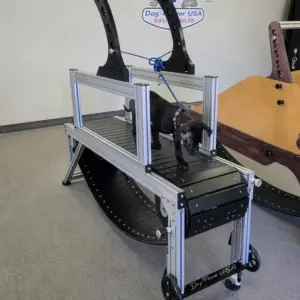
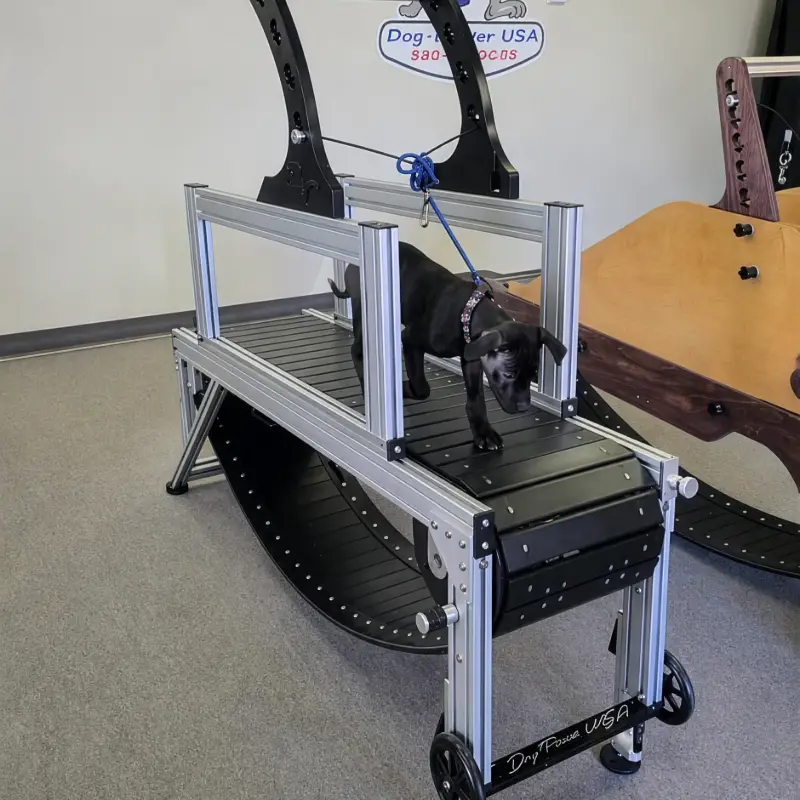
A dog treadmill is exercise equipment designed specifically for dogs. It gives them a controlled space to walk, trot, or run in a supervised environment. For high-energy breeds, working dogs, large dogs, and dogs that need more structured movement, a dog treadmill can be a valuable tool.
A dog treadmill is not meant to replace outdoor walks, play, training, or mental stimulation. Instead, it adds another way to help your dog get safe, consistent exercise when outdoor activity is not enough or not practical.
What Does a Dog Treadmill Do?
A dog treadmill helps dogs burn energy, build endurance, and stay active in a controlled setting.
It can be useful for:
- High-energy dogs
- Working dogs and K9s
- Large breeds
- Trainers and dog fitness businesses
- Mobile dog gyms
- Bad weather days
- Owners with limited safe outdoor space
For some dogs, a normal walk around the block is not enough. A treadmill gives them a structured outlet for movement.
Dog Treadmill vs. Slatmill
A traditional motorized dog treadmill uses a motor to move the belt.
A slatmill is usually dog-powered. That means the dog controls the pace. If the dog speeds up, the belt moves faster. If the dog slows down or stops, the belt slows down or stops.
Dog-powered slatmills are popular because they allow dogs to move more naturally while still giving the owner control over the session. Many Dog Trotter models also include braking or resistance options for more structured conditioning.
Why Use a Dog Treadmill?
A dog treadmill can help when your dog needs more movement than daily walks provide.
It is especially helpful for breeds like Belgian Malinois, German Shepherds, Pit Bulls, Dutch Shepherds, Huskies, Border Collies, German Shorthaired Pointers, Labradors, and other active or working dogs.
It can also help owners and trainers keep dogs active during rain, snow, extreme heat, or busy schedules.
Is a Dog Treadmill Safe?
Yes, when used properly.
The most important rules are:
- Always supervise your dog
- Never force the dog onto the treadmill
- Start slow
- Keep early sessions short
- Use positive reinforcement
- Choose the right size treadmill
- Watch for fatigue or stress
For dogs with injuries, medical issues, joint concerns, or rehab needs, talk with a veterinarian or qualified professional before starting. Check out our training guide here.
How Do You Introduce a Dog to a Treadmill?
Start with confidence, not exercise.
Let your dog sniff and explore the treadmill first. Reward calm behavior around it. Allow them to step on and off without pressure. Once they are comfortable, begin with very short, slow sessions.
Some dogs adjust quickly. Others need more time. The goal is to keep the experience calm, positive, and supervised.
What Size Dog Treadmill Do You Need?
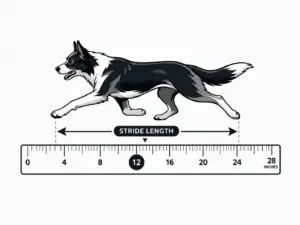
The right size depends on your dog’s weight, body length, shoulder width, stride, breed, and intended use.
Large dogs and long-striding breeds need enough room to move naturally. Professional trainers and mobile dog gyms often choose larger sizes because they work with many different dogs.
When in doubt, ask for sizing guidance before ordering.
What Makes a Premium Dog Treadmill Different?
A premium dog treadmill should be strong, stable, smooth, and built for real use.
Important features include:
- Durable frame construction
- Smooth slat belt movement
- Quality bearings and rollers
- Proper running surface size
- Braking or resistance options
- Adjustable side panels or tether points
- Serviceable parts
- Professional-grade materials
Dog Trotter USA builds equipment for serious dog owners, trainers, working dogs, mobile dog gyms, and professional use.