Dog Treadmills For Working Dogs

dog that is working

Working dogs are built for more than casual walks around the block. Police K9s, protection dogs, hunting dogs, sport dogs, service dogs, and high-drive breeds need structured conditioning to stay sharp, powerful, and physically prepared for the work they are expected to perform.

A working dog treadmill gives handlers, trainers, kennels, and departments a controlled way to build endurance, improve conditioning, manage energy, and maintain fitness when outdoor exercise is limited by weather, time, terrain, or safety concerns.

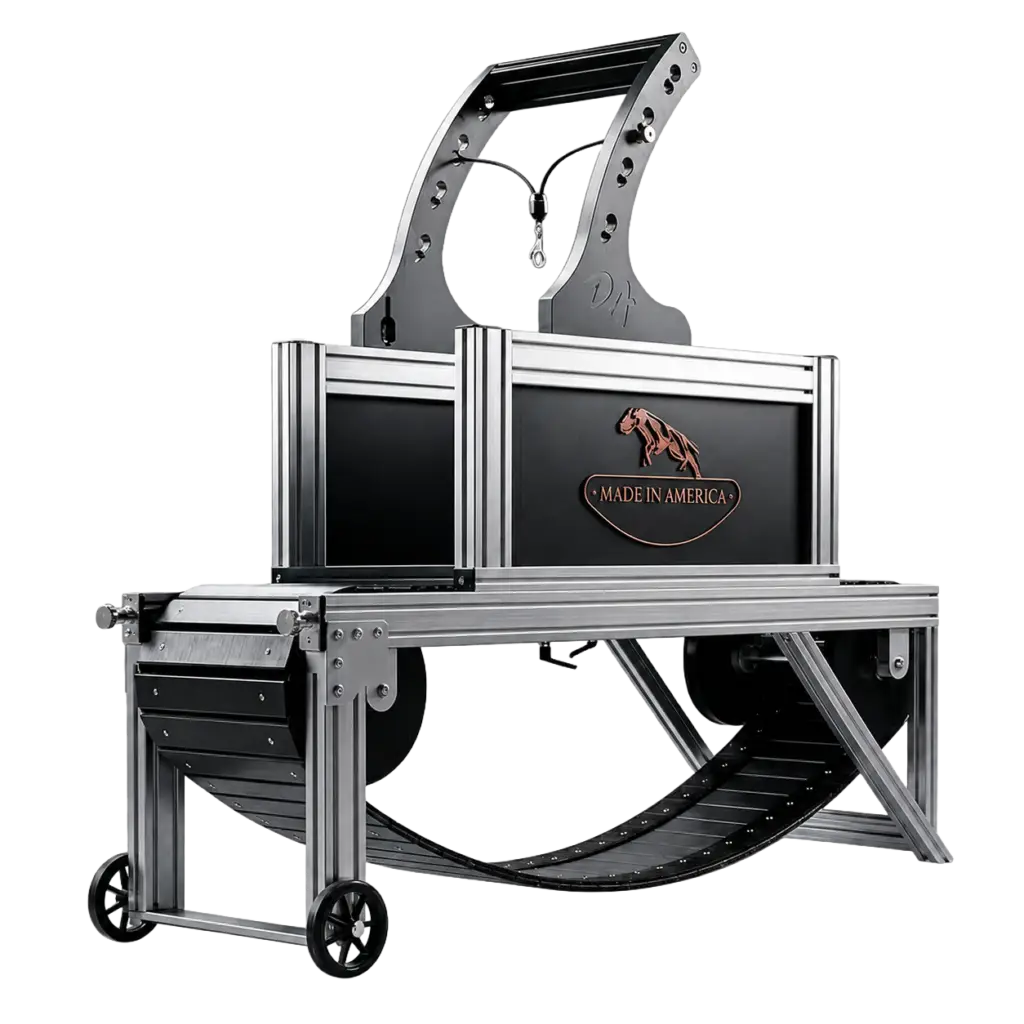
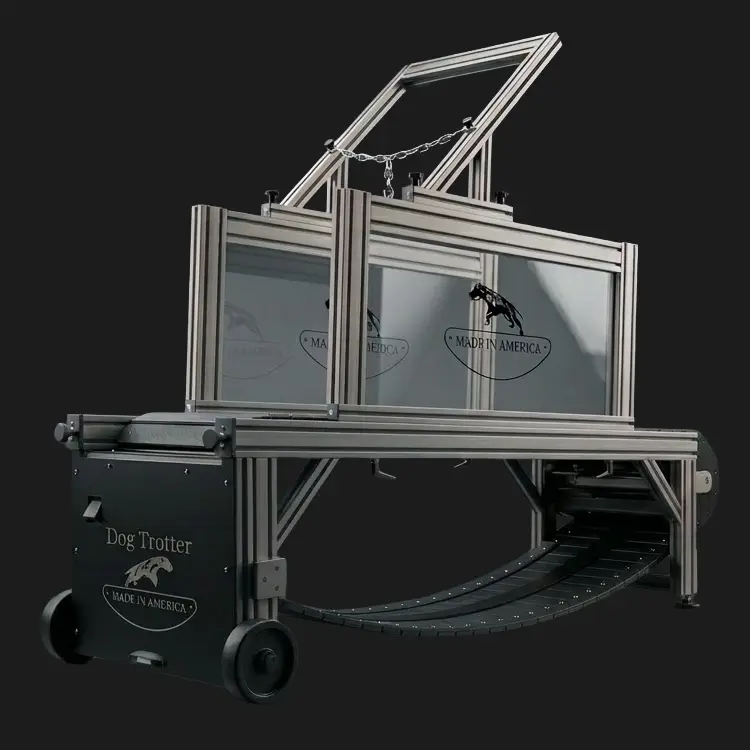
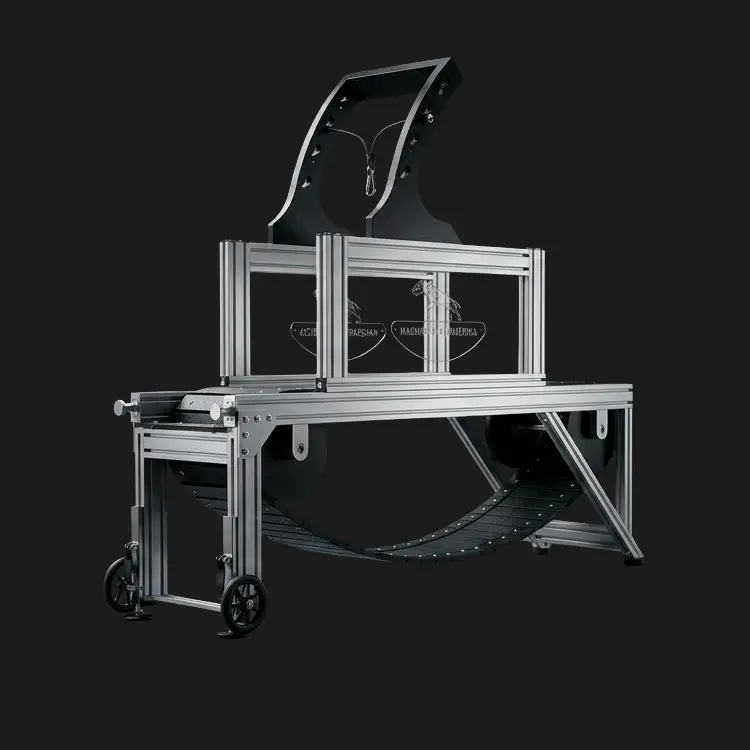
At Dog Trotter USA, our slat mills are built for serious dogs and serious handlers. Whether you are conditioning a patrol K9, preparing a dog for sport work, managing a high-energy breed, or building a professional training program, the right treadmill can become one of the most valuable tools in your facility.

What Is a Working Dog Treadmill?

A working dog treadmill is a conditioning tool designed to help active dogs exercise in a controlled environment. Unlike casual pet treadmills, a true working dog treadmill must be strong, stable, smooth, and properly sized for powerful dogs that may run with intensity.

Working dog treadmills are commonly used by:

  • Police K9 units
  • Military and detection dog programs
  • Protection dog trainers
  • IGP, PSA, Mondioring, and sport dog handlers
  • Hunting dog owners
  • Boarding and training facilities
  • Mobile dog gyms
  • High-drive breed owners
  • Rehabilitation and conditioning professionals

The goal is not to replace outdoor work, handler engagement, obedience, or job-specific training. Instead, a treadmill gives the dog a consistent way to build physical capacity in a repeatable, measurable environment.

Why Use a Slat Mill for Working Dogs?

For many working dog programs, a slat mill is preferred because it allows the dog to control the pace. The belt moves through the dog’s own effort, which makes the session more natural and responsive than a motorized treadmill.

A quality slat mill allows a dog to walk, trot, or run based on its own drive and conditioning level. This is especially valuable for working dogs because it gives handlers the ability to build intensity while still allowing the dog to work within its ability.

Key advantages of a slat mill for working dogs include:

  • Dog-powered movement
  • Natural stride development
  • Controlled indoor conditioning
  • Variable pace based on the dog’s effort
  • Excellent outlet for high-drive dogs
  • Useful for endurance, warmups, cooldowns, and energy management
  • Works well for professional kennels and training facilities

For working breeds, smooth belt movement, strong construction, and correct sizing are critical. A treadmill that is too narrow, unstable, or cheaply built can limit the dog’s stride and reduce confidence.

Working Dog Treadmill Benefits

chatgpt image may 11, 2026, 10 46 27 am (1)

Year-Round Conditioning

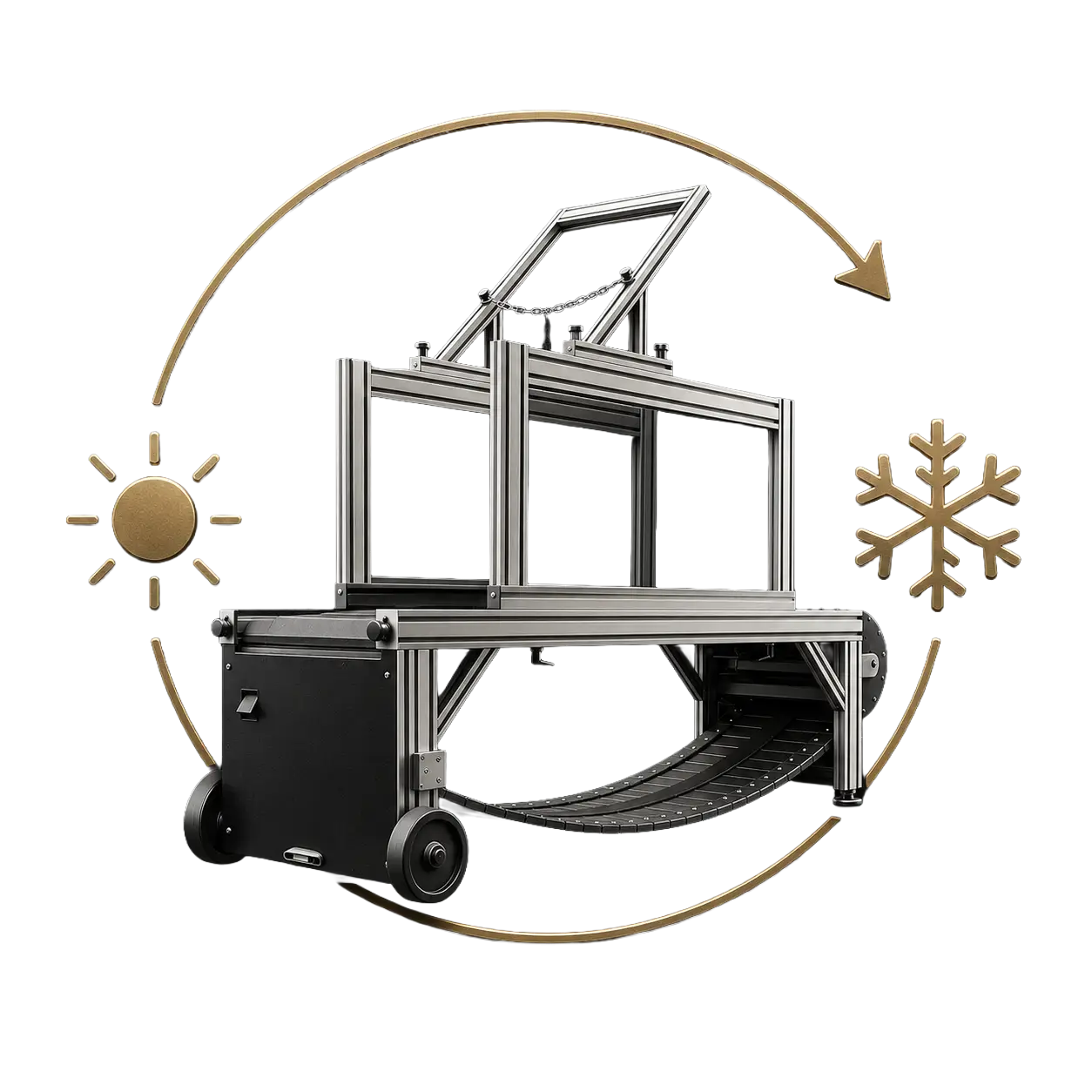
Rain, snow, heat, darkness, mud, and icy footing can all limit outdoor training. A dog treadmill gives handlers a dependable way to keep dogs conditioned indoors throughout the year.
dog treadmill for working dogs with high energy

Controlled Energy Release

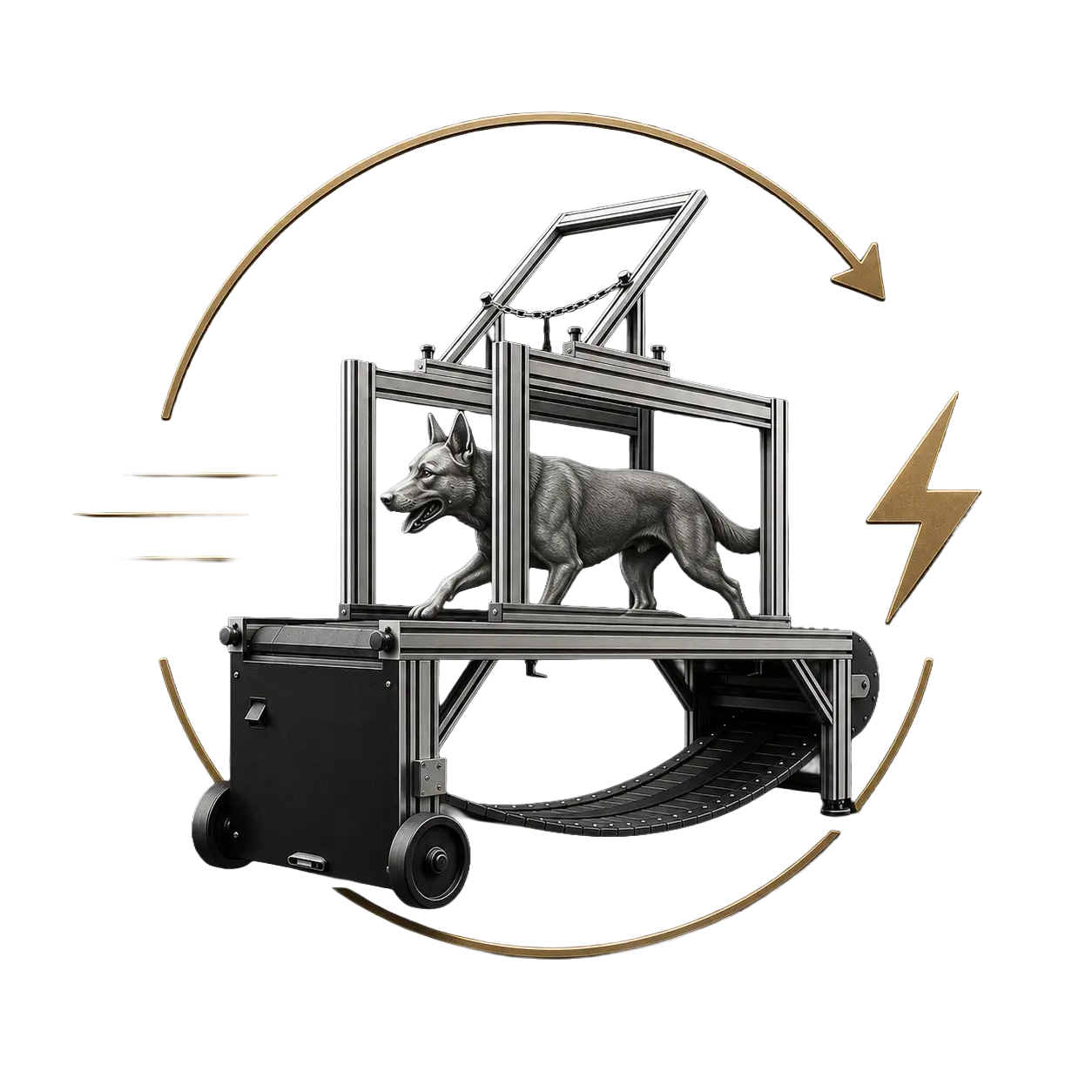
High-drive working dogs need an outlet. Without structured exercise, that energy often turns into pacing, barking, destructive behavior, kennel stress, or poor focus. A treadmill session can help take the edge off while keeping the work productive.
dog treadmill for energy release

Better Endurance Development

Consistent treadmill work allows handlers to build endurance gradually. Instead of relying on random bursts of activity, dogs can follow a planned conditioning schedule with controlled session lengths and recovery periods.
chatgpt image may 11, 2026, 11 06 14 am (1)

Warmups and Cooldowns

A treadmill can be used before and after training to help dogs ease into or recover from demanding work. Short, controlled movement can be especially useful before protection work, detection work, sport training, or field sessions.
chatgpt image may 11, 2026, 10 47 23 am (1)

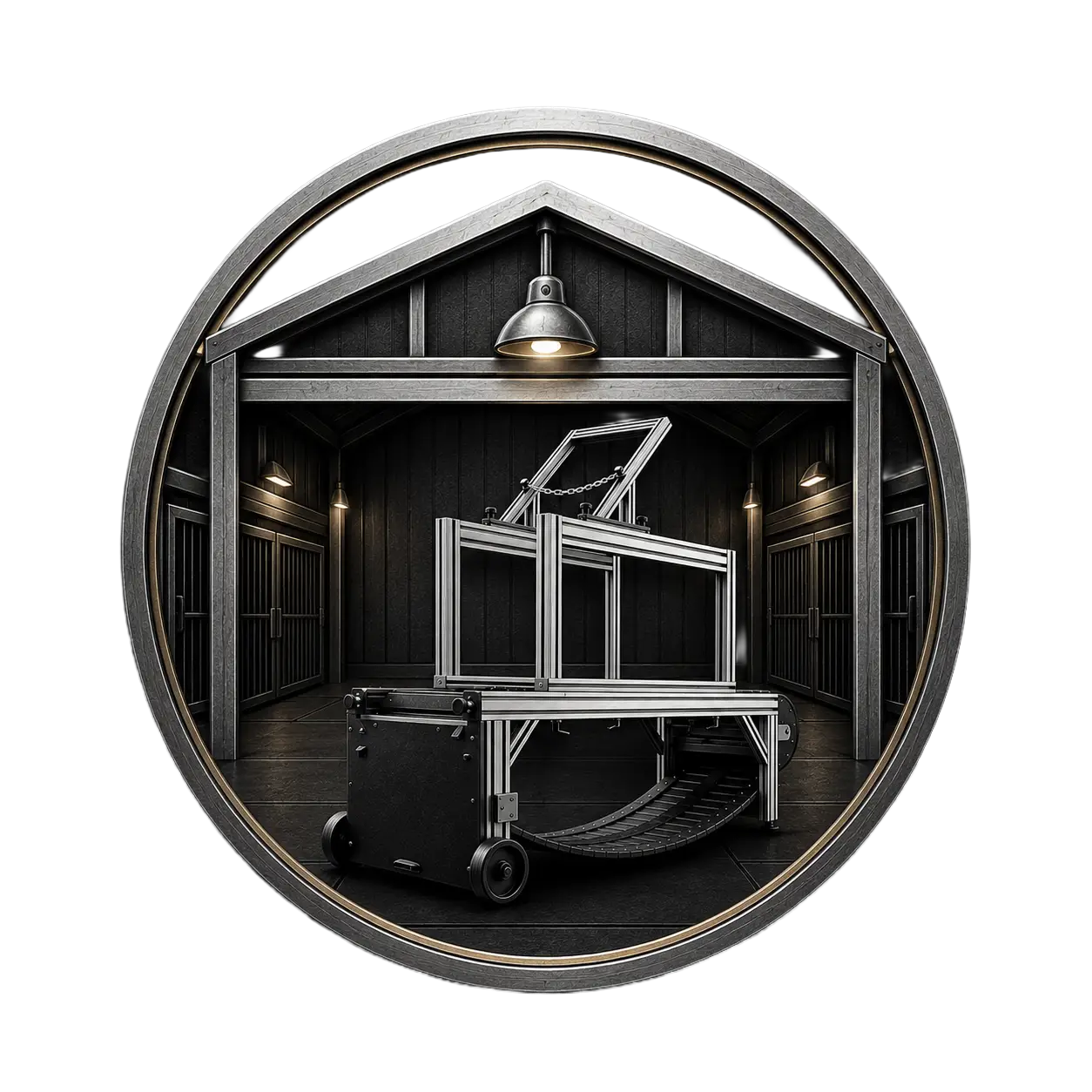
Indoor Training for Professional Facilities

For kennels, trainers, and working dog facilities, treadmills add value by giving dogs a structured conditioning option even when outdoor space or time is limited.

chatgpt image may 11, 2026, 10 46 40 am (1)

Support for Weight Management

Working dogs need to stay lean and athletic. Treadmill work can support weight control when combined with proper nutrition, appropriate rest, and a consistent training program.

dog treadmill creates confidence and focus

Mental Focus and Confidence

Many dogs become more confident as they learn the treadmill. The process of stepping on, settling into rhythm, and working calmly can help build focus and discipline.
How to Introduce a Working Dog to a Treadmill

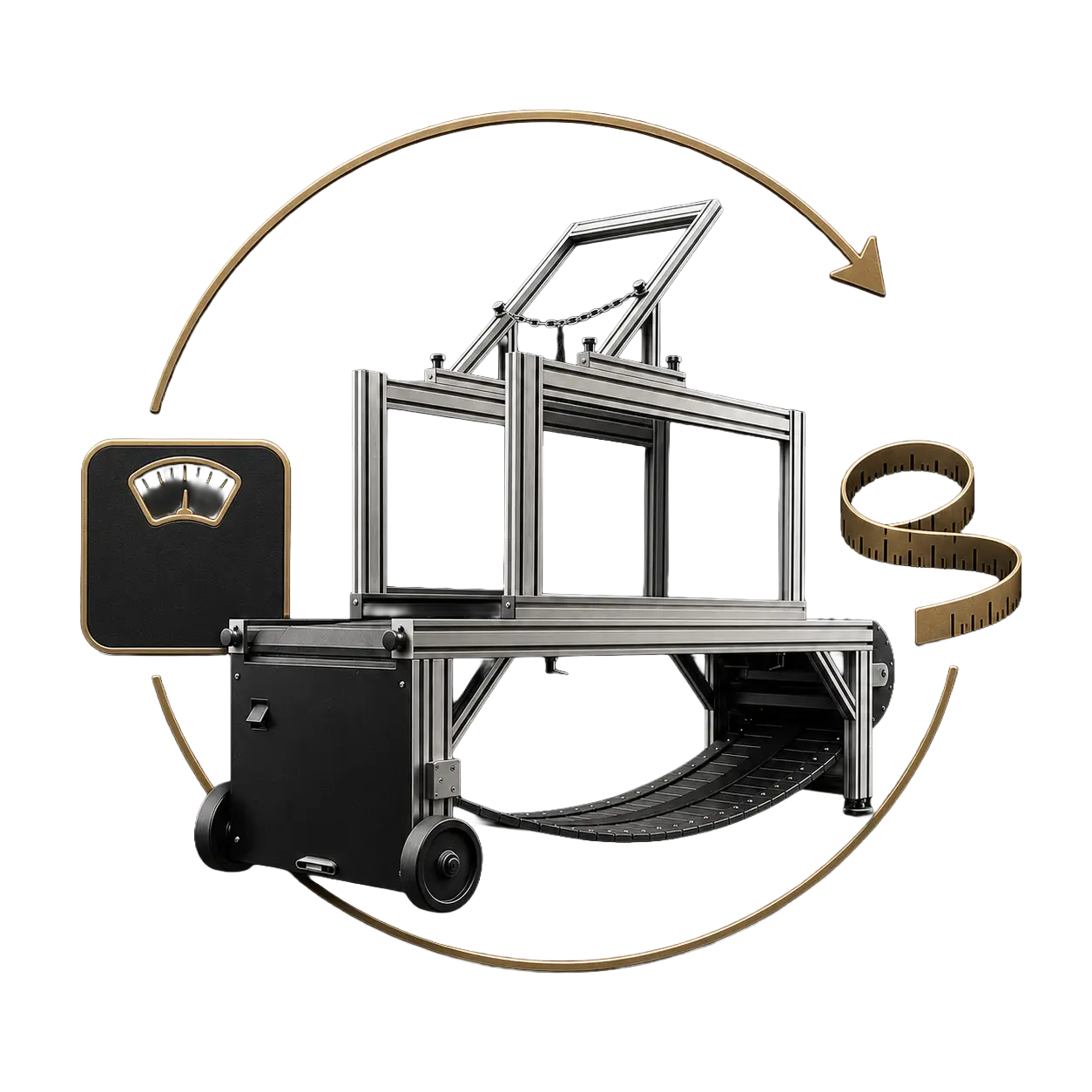
Every dog should be introduced to a treadmill slowly. Even confident working dogs need time to understand the equipment before being asked to run or perform intense sessions.

A good introduction process includes:

  1. Let the dog inspect the treadmill while it is still.
  2. Use calm praise and positive reinforcement.
  3. Allow the dog to step on and off without pressure.
  4. Keep the first sessions short.
  5. Start with slow walking before increasing intensity.
  6. Watch the dog’s body language closely.
  7. Use proper side panels and tether points for safety.
  8. Never force a dog that is panicking or unsure.

The goal is to build confidence first. Speed and endurance come later.

working dog on dog treadmill

Working Dog Treadmill Safety Tips

A treadmill is a powerful conditioning tool, but it must be used responsibly. Handlers should always monitor the dog during exercise and adjust the session based on the dog’s condition, confidence, and fitness level.

Important safety tips include:

  • Never leave a dog unattended on a treadmill.
  • Use properly fitted equipment while operating.
  • Start with short sessions.
  • Allow warmup and cooldown time.
  • Watch for fatigue, overheating, limping, or stress.
  • Keep water available before and after exercise.
  • Do not overwork young, injured, elderly, or unconditioned dogs.
  • Consult a veterinarian before starting intense conditioning, especially for dogs with health concerns.
 

Working dogs are often willing to push hard. The handler is responsible for making sure the session remains safe, productive, and appropriate.

Slat Mill vs. Motorized Dog Treadmill for Working Dogs

Both slat mills and motorized treadmills can be used for canine conditioning, but they work differently.

A motorized treadmill moves at a set speed controlled by the handler. This can be useful in certain controlled walking or rehabilitation scenarios, but it also requires careful monitoring because the dog must keep pace with the machine.

A slat mill is dog-powered. The dog controls the belt through its own movement. This makes it highly effective for high-drive dogs, athletic conditioning, sprint work, endurance building, and natural movement.

For many working dog handlers, the slat mill is the preferred option because it allows intense dogs to work hard while still controlling their own rhythm.

Working Dog Treadmill Training

Beginner Conditioning

Start with short walking sessions to build confidence and rhythm. Keep sessions calm and positive.

Endurance Work

Use longer, steady sessions at a comfortable pace to build cardiovascular fitness over time.

Sprint Intervals

For conditioned dogs, short bursts of higher-intensity movement can help improve power and drive. These sessions should be used carefully and only with dogs that are physically prepared.

Warmup Sessions

Before obedience, protection work, detection work, or sport training, a controlled treadmill walk can help prepare the dog’s body.

Cooldown Sessions

After training, light treadmill movement can help the dog gradually settle instead of stopping abruptly after intense activity.

Energy Management

For high-drive dogs in kennels or homes, treadmill work can be part of a daily routine to reduce excess energy and improve focus.

Common Mistakes To Avoid

Starting Too Fast

Do not rush the introduction. A dog that is confident on the treadmill will perform better and safer than a dog that was pushed too quickly.

Choosing the Wrong Size

A treadmill that is too small can limit stride, create hesitation, or cause unsafe movement. Working dogs need enough space to move naturally.

Overtraining

More is not always better. Working dogs need rest and recovery just like human athletes.

Leaving the Dog Unattended

A dog should always be supervised while using a treadmill.

Ignoring Body Language

Watch for stress, fatigue, soreness, overheating, or changes in movement. The dog’s behavior tells you when to slow down, stop, or adjust the program.

Recommended Dog Trotter USA Models for Working Dogs

Built for more structured workouts, with added resistance control and speed tracking for dogs that need more than basic exercise.

A premium option for serious conditioning, giving handlers greater control with remote-adjustable incline and precision resistance.

A flexible option for users who want incline training without relying on electronics, power access, or a fixed indoor setup.

Ready To Experience The Dog Trotter Difference?

Every dog has different needs, and the right treadmill can make all the difference in their routine, conditioning, and overall well-being. Whether you’re looking for a dependable at-home exercise solution, a professional training tool, or a setup built for your business, Dog Trotter USA can help guide you toward the right model and size for your goals.

Join Our Community

Receive updates, tips, and exclusive offers!